
Education
Exercise videos/handouts:
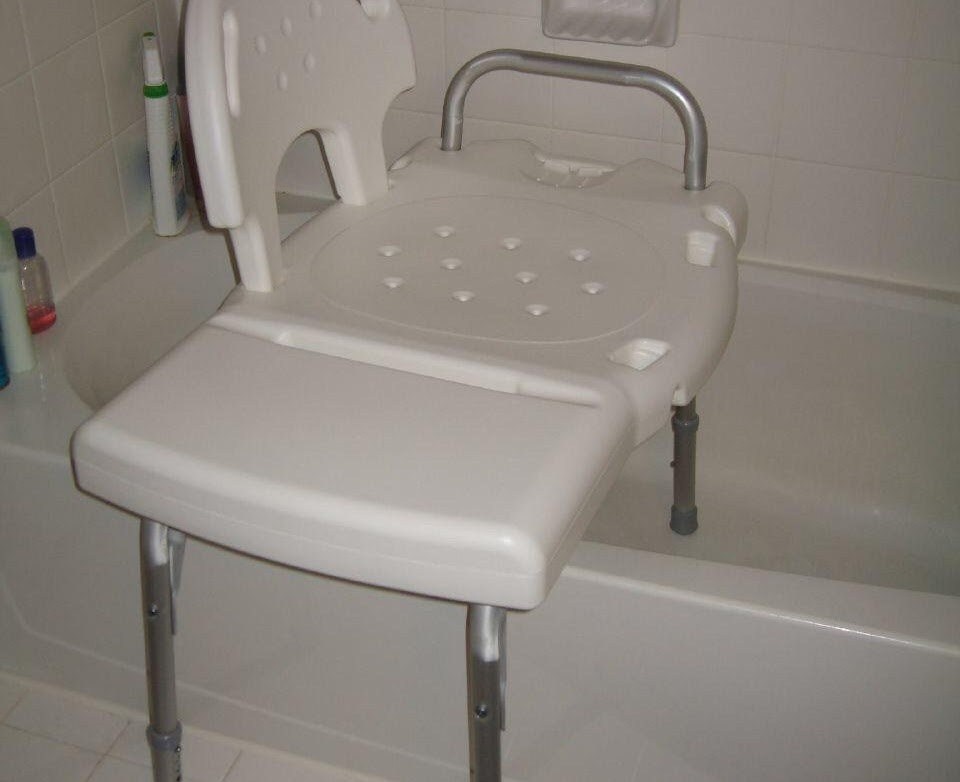
Shower chair or tub transfer bench…..What is best for me and my home?
If you or a loved one have recently experienced a change in your physical abilities or are preparing for a change due to a new, progressive diagnosis, it might be a bit confusing to decide which type of seat will be best for you and your home. Here are some bathing seats we have recommended, as well as some information on which would be best for each situation.
Shower Chairs:
- Stool (no arm rests or back support)
- Best for a person with a small shower, able to stand with arm support, is able to maintain sitting balance without support, and just gets fatigued with periods of standing and needs a place for a quick break during their shower
- Chair w/ back support and armrests
- Best for a person who has weak legs and needs armrests to push up to standing, who tends to lean to the side or back when sitting, has back pain, and has shower doors on tub shower (tub bench wont work) and is able to step over the side of the tub safely
- Bariatric Shower chair
- Best for people with a weight up to 400-600 lbs (differs by brand), has increased swelling at hips and/or upper thighs and needs more space when sitting to bathe, and has a larger shower
- Commode/shower chair combo
- Best for people that are incontinent, unable to stand to (allows the caregivers or individual to wash the perineal area), and needs back and side support
- Rolling shower chair w/ optional commode combo (has brakes)
- Best for people that have roll in/no entry shower, large shower to accommodate size, caregivers want to be able to roll over toilet or use in shower, person is incontinent, and needs back and side support
- Tilt in space shower chair
- Best for people that have a roll in/no entry shower, large shower to accommodate size, may experience hypotension (drop in blood pressure when sitting too long), need extra back/side support due to balance deficits, and needs leg support due to weakness or to prevent sliding forward off the chair
Tub Transfer Bench:
- Standard tub transfer bench
- Best for people that have a standard tub (not a claw foot tub) with shower curtain and liner, have an extra ~6” outside back of tub to place bench, can scoot w/ minimal assistance, are able to sit up on their own for the duration of the shower, and/or have a large shower and need room to lean laterally to wash perineal area
- Tub transfer bench with shower curtain cut out
- Best for people that have a standard tub (not a claw foot tub) with shower curtain and liner, have an extra ~6” outside back of tub to place bench, can scoot w/ minimal assistance, are able to sit up on their own for the duration of the shower, have a large shower and need room to lean laterally to wash perineal area and/or want to minimize chance of water on the floor after a shower
- Sliding tub bench *Can get one w /opening for incontinence
- Best for people that have a standard tub (not a claw foot tub) w/o doors or small shower stall w/ curtain, they need to remove armrests to transfer from a wheelchair without standing up, need side/back support, are unable to scoot or can’t scoot without extensive help from someone else,have an extra ~6+” outside tub/shower to place bench
- Tub sliding transfer bench (goes from commode to tub)
- Best for people that have a toilet beside the back of the tub, are unable to scoot or need extensive help from someone else, caregivers want to minimize transfers if someone is a high fall risk, needs back and side support, and needs leg support while sitting
- Bridge bath lift *can also be used as a fall recovery device
- Best for people that are unable to safely get into the tub but still want a bath, have a standard tub (no claw foot or jacuzzi tubs) without doors, and weigh less than 300 lbs,
Enjoy the Warm Weather & Stay Hydrated!
As the temperatures rise, it’s important to boost your water intake to reduce the risk of dehydration—especially for older adults. According to the National Council on Aging (NCOA), 75% of Americans are chronically dehydrated. And as we age, our sense of thirst naturally decreases, which can make it harder to recognize when we need water.
Some medications, like diuretics or laxatives, can also contribute to fluid loss. That’s why staying hydrated is key to staying healthy, active, and independent.
💧 How Much Water Do You Need?
The general recommendation is 6–8 glasses of water per day, but your needs may vary. Talk to your doctor to determine what’s right for you, especially if you have medical conditions or take medications that affect hydration.
Signs of Dehydration
Watch for these symptoms, which may signal that your body needs more fluids:
- Lightheadedness – from a drop in blood pressure
- Fatigue, lethargy, or headaches – dehydration affects oxygen flow to the brain
- Trouble concentrating or doing daily tasks – even 2% fluid loss can affect memory, mood, and reaction time
- Dark yellow urine or decreased urination – urinating fewer than 4 times a day is a red flag
- Dry mouth, lips, or skin
- Constipation – water helps digestion; without it, you may experience bloating, gas, or heartburn
- Increased joint pain – joints need water for lubrication and smooth movement
6 Easy Tips to Stay Hydrated
- Drink a full glass of water with every meal.
- Eat water-rich foods like fruit salad, smoothies, side salads, or soups (like chicken noodle).
- Sip while socializing. Sit under the shade or indoors with family or friends and enjoy water, iced tea, or other low-sugar drinks.
- Keep a reusable water bottle nearby. Having it visible reminds you to take sips throughout the day.
- Make hydration part of your downtime. Watching a show? Grab some sparkling water to enjoy.
- Add natural flavor. Try adding sliced strawberries, cucumbers, or oranges to your water for a refreshing twist.
Stay cool, stay safe, and keep sipping! Your body and mind will thank you.


Aging in Place with Parkinson’s Disease: How Occupational Therapy Can Help
Parkinson’s disease (PD) is the second most common neurodegenerative disorder, affecting millions of people worldwide. While it’s often associated with motor symptoms like tremors, bradykinesia (slowness of movement), rigidity, fatigue, and balance difficulties, people with PD also experience a range of non-motor symptoms. These may include dementia, anxiety, depression, sleep disturbances, visual deficits, low blood pressure, impulsivity, and pain — especially as a result of certain medications.
Despite these challenges, many people with Parkinson’s have a strong desire to age in place — to remain in their own homes and communities safely and independently for as long as possible. This is where occupational therapy (OT) plays a key role.
What Is Occupational Therapy’s Role in PD?
Occupational therapists use the PEOP model — Person, Environment, Occupation — to assess and support individuals holistically. This means we consider:
- The person: Physical, emotional, and cognitive abilities
- The environment: Home layout, lighting, furniture, and tools
- The occupation: The meaningful tasks and daily routines that make up a person’s life
By tailoring interventions to these areas, we can empower individuals with PD to maintain independence and reduce risk of injury or frustration at home.
Common Home Challenges for People with PD
Research has identified three primary areas of concern for individuals with Parkinson’s in the home:
- Grab bars in the bathroom — not available or improperly placed
- Stairs — difficult to climb safely
- Shelves — often too high to reach comfortably
Home Modification Recommendations by Area
Here are practical, therapist-recommended changes to promote safety, comfort, and independence at home for those living with PD.
Bathroom
- Install grab bars with textured grips by the toilet, inside and outside the shower
- Use a shower seat and a handheld showerhead with a shut-off valve and wall mount
- Add motion-activated lighting for visibility at night
- Place a thin rubber-backed bath mat outside the shower to prevent slipping
- Lower the medicine cabinet and install lever faucets or automatic water dispensers
- Consider automatic soap/toothpaste dispensers, a raised toilet seat, a bidet, and an electric toothbrush
Kitchen
- Rearrange to keep frequently used items within reach: use lower shelves in upper cabinets, upper drawers in base cabinets
- Add pull-down or pull-out shelves to reduce strain and reaching
- Use lightweight, durable dishes and thick-handled utensils for easier grip
- Choose mugs with two handles or wider grips
- Install an automatic trash can and automatic water faucet
Bedroom
- Lower closet rods and shelves, move daily-use clothing to top drawers
- Use an adjustable bed and add a bed rail or tension pole for easier transfers
- Switch to lightweight blankets/sheets for easier mobility in bed
- Replace round knobs with handles on drawers, closets, and doors
General Living Areas
- Use a smart pill box or set reminders on a device for medication management
- Install motion lights in stairwells, hallways, and bathrooms
- Add long cords with push-button switches to lamps in hard-to-reach areas
- Clear space for assistive devices (ADs) like walkers or wheelchairs
- Remove throw rugs and reduce clutter to prevent trips and falls
- Consider a lift chair to assist with standing and sitting
Exterior
- Install bilateral handrails at steps, or better yet, a ramp or barrier-free entrance
- Use motion-activated lighting at walkways and porches
- Replace doorknobs with lever handles
- Explore smart lock options — facial recognition, keypads, apps, or fingerprint systems — to simplify access
✳️ Final Thoughts
Living with Parkinson’s doesn’t mean giving up your independence. With thoughtful environmental modifications and the support of an occupational therapist, aging in place becomes not only possible — but empowering.
If you or a loved one is navigating life with PD and looking to make your home safer and more accessible, contact our team today to set up an appointment. We’ll work with you to build a customized plan that supports your needs, routines, and goals.
✅ Client Planning & Modification Checklist
Area
Install / Check
Bathroom
- Grab bars (toilet, shower).
- Shower seat & handheld showerhead.
- Motion lights & non-slip mat.
- Lower medicine cabinet.
- Lever/auto faucet.
- Raised toilet seat, bidet, electric toothbrush
Kitchen
- Auto trash can & faucet.
- Lower/pull‑out storage.
- Lightweight dishes.
- Thick-handle utensils.
- Mugs with wide grips.
Bedroom
- Lower closet shelves & rods.
- Implement adjustable bed & rail/pole.
- Lightweight bedding.
- Lever handles on drawers/doors.
General
- Smart pill box or reminders.
- Motion lights in key areas.
- Push-button lamp cords.
- Lift chair (if needed).
- Declutter pathways; remove rugs.
Exterior
- Handrails or ramp at entrance.
- Outdoor motion lights.
- Lever handle doors.
- Optional smart lock (face/app/fingerprint).
Living Well at Home with Dementia: How to Modify, Support, and Thrive
A home is more than just a place to live—it’s where we feel safe, independent, and at ease. For individuals living with dementia, however, the home can become a confusing or even hazardous environment. The good news? With a few thoughtful modifications, you can turn a home into a supportive space that enhances both safety and quality of life.
Understanding Dementia and Its Impact at Home
Dementia affects memory, reasoning, vision, and spatial orientation. Common symptoms that may affect safety at home include:
- Forgetting to turn off appliances
- Confusion with time or place
- Poor depth perception
- Wandering
- Difficulty recognizing familiar spaces or people
These changes make it important to assess both the interior and exterior of the home for potential hazards.
Key Home Modifications for Safety and Comfort
Exterior:
- Install motion-sensor lighting for visibility at night
- Use contrasting colors for steps or edges to improve depth perception
- Secure gates and fences to prevent wandering
- Create clear signage for directions
Interior:
- Remove throw rugs and clutter to reduce fall risk
- Label drawers and rooms with large text or pictures
- Install grab bars in the bathroom and near stairs
- Use automatic shutoff systems for stoves and heaters
- Ensure rooms are well-lit with natural or warm lighting
The Power of Color and Contrast
Color can be a powerful tool. Here’s how:
- Use contrasting colors for furniture, floors, stairs, towels in the bathroom and walls to help with depth perception
- Avoid busy patterns that may be confusing
- Stick to calming tones like soft blues and greens
- Use red or orange for important items (e.g., a red toilet seat, or red dining plate)
Helpful Technologies for Dementia Care
For the person with dementia:
- GPS trackers or wearable location devices
- Smart clocks that show time, day, and weather
- Voice-activated assistants (like Alexa or Google Home) for reminders
For caregivers:
- Medication dispensers with alarms
- Cameras for remote monitoring
- Smart door sensors or motion alerts
- Apps for scheduling and communication
Conclusion
Creating a dementia-friendly home means prioritizing safety while preserving dignity and independence. With the right adjustments, your home can remain a place of comfort and empowerment—for both the person with dementia and their caregivers.